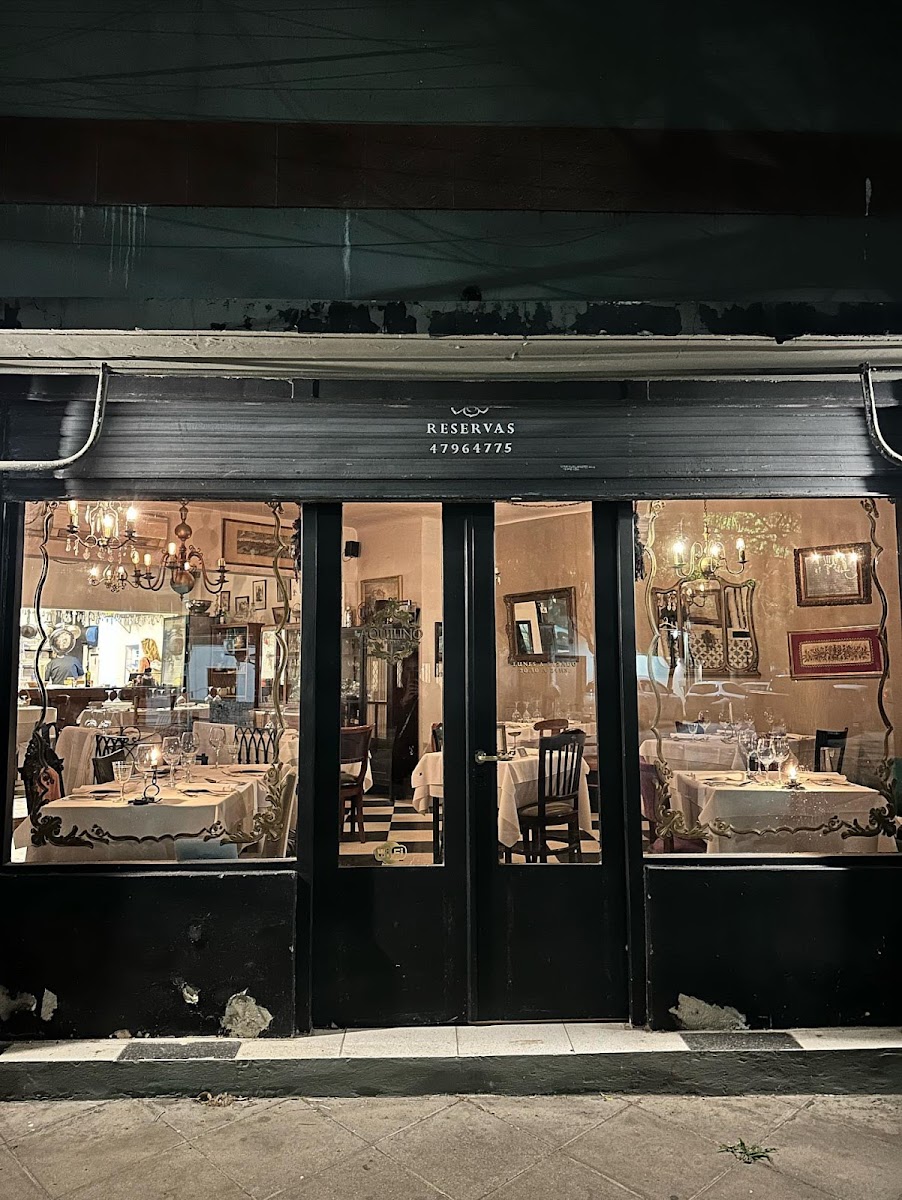
Great food in a romantic environment, specially if you like candle lighting.
Overview
Walking into Aquilino Bistró feels like stepping into a place that already knows you. It’s the kind of neighborhood diner where the room hums with conversation, plates move quickly from kitchen to table, and nobody’s pretending to be something they’re not. Tucked away at Gral. Juan Gregorio las Heras 1202, B1638 Vicente López, Provincia de Buenos Aires, Argentina, this spot has built its reputation the old-fashioned way: steady quality, honest cooking, and a menu that respects local tastes while staying curious.
From my own visits, what stands out immediately is the rhythm of the place. Orders are called clearly, cooks move with purpose, and dishes arrive hot, which sounds basic until you realize how many restaurants miss that mark. The process here is simple but disciplined. Ingredients are prepped early, sauces are kept moving, and nothing sits around waiting to be dressed up. That’s how you get food that tastes alive instead of assembled. One server once explained that the kitchen works in short prep cycles throughout service rather than doing everything at once, a method often recommended in professional culinary training because it keeps flavors fresh and reduces waste.
The menu leans into familiar comfort without feeling tired. You’ll find daily specials alongside staples that regulars swear by, and the balance matters. A rotating chalkboard keeps things seasonal, while the core dishes stay consistent, which is something restaurant analysts often point to as a trust builder for diners. People like knowing that their favorite plate will taste the same next week. Reviews from locals echo that sentiment, often mentioning reliable portions and flavors that don’t drift over time. One frequent guest described the food as slow-cooked comfort, and that phrase fits perfectly.
There’s also a quiet professionalism behind the scenes. Food safety isn’t flashy, but it matters. Guidelines from organizations like the World Health Organization emphasize proper temperature control and clean prep surfaces as key factors in reducing foodborne illness, and you can see those practices in action here. Gloves are changed, stations are wiped down constantly, and the open flow between kitchen and dining area creates accountability. While I don’t have access to internal audits or certifications, the visible habits line up with widely accepted standards in the industry.
Location plays a role too. Vicente López has grown into a dining destination for people who want quality without crossing into downtown crowds. Being slightly removed from the city center allows places like this bistró to focus on community rather than trends. That’s reflected in how the staff greets repeat customers by name and remembers preferences. It’s not scripted friendliness; it’s earned familiarity. One night, a dish was adjusted on the fly for a dietary request, handled casually and without fuss, which tells you a lot about a kitchen’s confidence.
Expert chefs often say that a great diner doesn’t chase novelty, it chases consistency. Culinary schools and hospitality groups repeat this idea because data from restaurant performance studies show that repeat visits drive long-term success more than one-time hype. Aquilino Bistró seems to understand that instinctively. The flavors are clear, the portions fair, and the atmosphere relaxed. Nothing is overloaded with technique, and nothing feels careless either. As one reviewer put it, the place offers food that knows what it wants to be.
To be fair, this isn’t a white-tablecloth destination or a tasting-menu experience, and that’s not a limitation so much as a choice. If you’re looking for experimental plating or luxury ingredients, you might want to set expectations accordingly. What you get instead is a solid neighborhood restaurant where the menu, the location, and the people all line up. In a dining scene that often swings between extremes, that kind of balance is harder to find than it sounds.
Good to know
Service options
✓ Takeaway ✓ Dine-in ✓ DeliveryAccessibility
✓ Wheelchair-accessible toiletOfferings
✓ Alcohol ✓ Beer ✓ Cocktails ✓ Coffee ✓ Organic dishes ✓ Vegetarian options ✓ WineDining options
✓ Dinner ✓ Catering ✓ Dessert ✓ Seating ✓ Table serviceAmenities
✓ Gender-neutral toilets ✓ ToiletCrowd
✓ LGBTQ+ friendly ✓ Transgender safe spacePlanning
✓ Accepts reservationsPayments
✓ Credit cards ✓ Debit cards ✓ NFC mobile payments ✓ Credit cardsPets
✓ Dogs allowedPhotos
1 / 4
Location
Reviews
- No ratings yet 443 reviews
Lugar muy acogedor, silencioso y cálido. Fuimos con mi mujer y nos sentimos a gusto. La comida es distinta a lo usual, eso me pareció muy interesante, al tener mezclas a de sabores poco usuales (para mí por lo menos). Quienes trabajan allí fueron muy muy amables. Recomiendo ir y volveremos sin duda.
Es un lugar que me encantó, con atención personalizada por sus propios dueños. La comida es exquisita, delicada. Hacía mucho no comía un paté tan delicioso. La sopita de la entrada, es una delicia. Es todo una delicadeza. Hay que ir al menos una vez al mes. Es un regalo para el cuerpo y el alma. Tuvimos suerte que fuimos sin reserva. Pero hay que reservar!!!!
Seguramente, mi reseña más desafiante. ¿Es Aquilino el mejor lugar para una primera cita? Sin duda alguna. ¿Es acaso el restaurante que encarna a la perfección la frase "una joya escondida"? Absolutamente. ¿Será esto cierto para usted? Tal vez no, pues nuestros caminos gustativos jamás serán idénticos. Y tengo la inevitable obligación de ser honesto con usted. Aquilino es un lugar de múltiples capas de excelencia. La primera, y quizá la más encantadora, son sus platos de estación, donde todo es casero, cultivado y creado por ellos mismos. Esto significa que, quizás, usted nunca pruebe los mejores ñoquis del universo con miel y queso azul, como tuve el privilegio de hacer. Y, al mismo tiempo, yo nunca degustaré lo que usted descubra en su visita. ¿No es una ironía fascinante? Más allá de esta experiencia culinaria irrepetible y casi surrealista, Aquilino trasciende lo meramente gastronómico. Su ambientación, cálida y acogedora, combina la suave luz de las velas con una exquisita selección de música francesa que transforma cada instante en algo especial. Pero la magia no termina ahí. Al final del viaje, lo esperan Miguel y Alida, chef y anfitriona, un dúo cuya dedicación y carisma elevan la experiencia a un nivel extraordinario. Aquilino es, en esencia, una experiencia única, tanto que despierta una melancólica alegría en cada visita. Le deseo, estimado lector, que los manjares que halle en este rincón oculto sean tan deslumbrantes como los que inmortalicé en mis fotos. Y, mejor aún, que su vivencia supere mis palabras, convirtiéndose en algo aún más sublime.